mushy — the u is a smiling upside-down button mushroomTHE MUSHROOM HANDBOOK
WILD SAFETY / Amanita phalloides

Death cap — poisonous

A deceptive appearance and delayed illness make this an important Australian public-health warning.

May have eaten a wild mushroom?

Australia: call Poisons Information on 13 11 26 immediately. Do not wait for symptoms. In an emergency call 000. Elsewhere, contact your local poison or emergency service.

What to do now
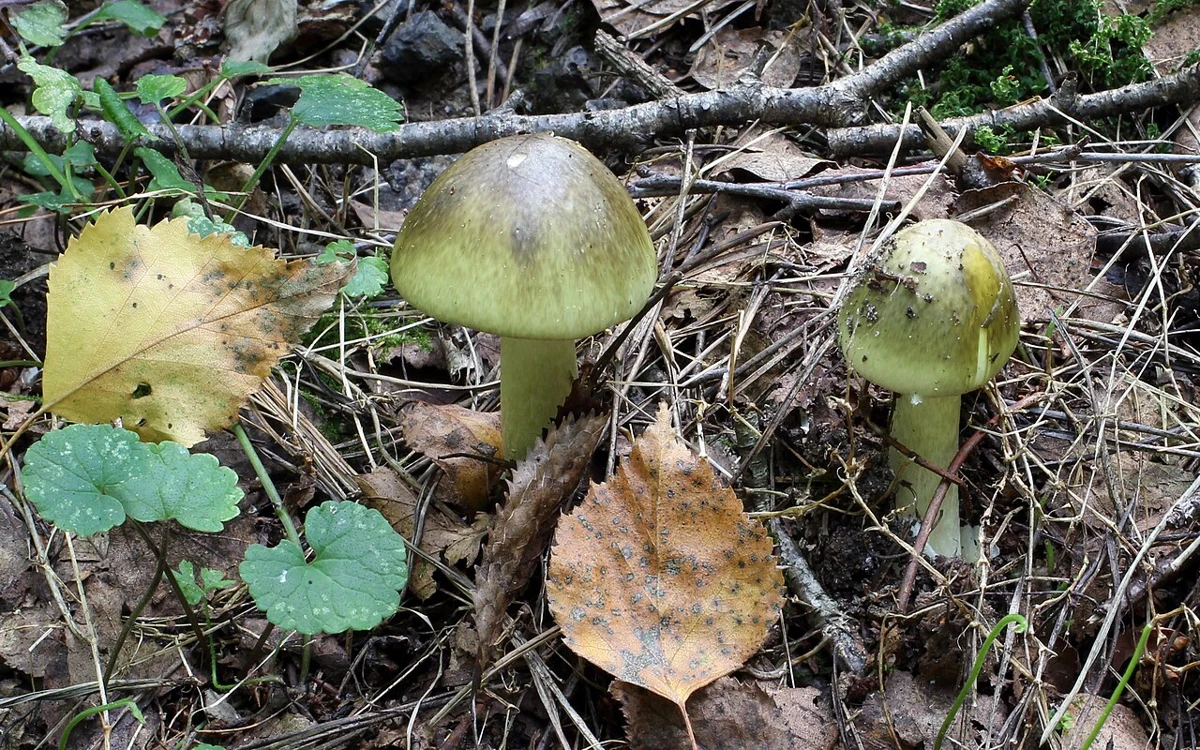
Documented photograph: Amanita phalloides
Amanita phalloides. The death cap. Ukraine.
George Chernilevsky / Public domain · Resized, no crop. Licence
RISK AWARENESS ONLY

Potentially fatal poisoning

A named reference photograph cannot establish that a different specimen is safe. Do not taste an unknown fungus or use this page as a picking checklist.

Read the safety myths

Why it matters

Death caps can cause life-threatening poisoning. A person who feels well after a meal may still need urgent care; apparent wellness is not a reason to wait for a name or a photograph match.

What the picture can tell you

This is a documented reference photograph, not a complete description of every specimen. Colour, growth stage and the camera angle can change the impression. An unknown pale mushroom does not become safe because it differs from this example.

The dangerous assumption

A familiar-looking food mushroom from another country is not a reliable model for a local wild collection. Keep purchased ingredients separate from observations made outdoors. Do not taste, cook or share a suspected wild find.

Sources & further reading

Source links support background facts; they do not imply endorsement of Mushy. Last editorial update: 20 October 2026.

Keep dinner separate from wild observations